






High temperature resistance
Great corrosion resistance
Excellent thermal shock stability
High strength
High wear resistance
Long lifetime span
Inquiry
|
Silicon Carbide Liners for Wear Parts in the Sugar Industry
Provide long-life, maintenance-free, and highly reliable solutions for the wetted parts of equipment in the sugar industry facing extreme conditions. Silicon carbide liner technology fundamentally eliminates the downtime caused by frequent wear and replacement of components.
Application Scenarios & Pain Point Analysis
| Application Equipment | Specific Components | Operating Conditions & Challenges (The "Why" for SiC) |
|---|---|---|
| Slurry / Process Pumps | Pump Casing Liner, Impeller, Wear Plates | Medium: Sugar juice + bagasse fibres + sand/impurities. This is an extreme combination of cavitation, abrasive wear, and acidic corrosion. Standard high-chrome iron or stainless steel parts have a very short service life. |
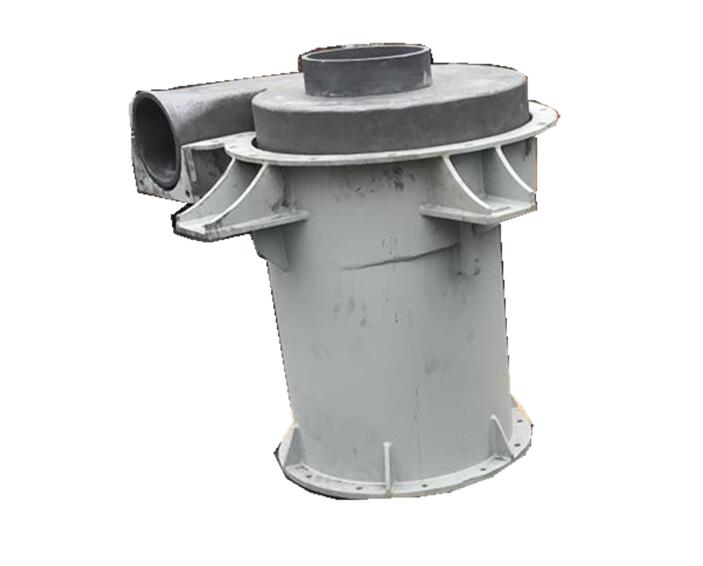
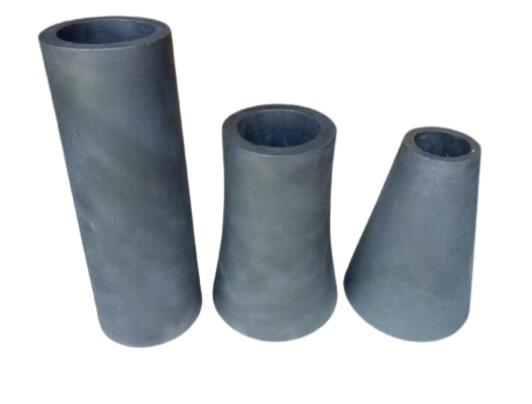
| Hydrocyclones | Feed Inlet Liner, Cone Section Liner, Apex/Underflow Nozzle | Medium: High-density masseculte and sugar crystals. Entering at high pressure and velocity, the feed inlet suffers the most severe impact and slurry erosion, while the cone section endures continuous abrasive wear. |
| Valves | Valve Seat, Trim | Controlling the flow of syrup or molasses, these parts experience high-velocity fluid erosion (wire-drawing) and corrosion at the throttling points. |
Overwhelming Advantages of Silicon Carbide Liners
Compared to traditional metal, rubber, or standard ceramic liners, the advantages of silicon carbide liners are game-changing:
-
Unmatched Wear Life
-
Effect: Its abrasion resistance is over 20 times that of high-chrome cast iron and 5-7 times that of alumina ceramic.
-
Value: Extends component life from weeks or months to several years, drastically reducing spare part costs and production losses from downtime.
-
-
Excellent Corrosion Resistance
-
Effect: Resists both acidic sugar juice (potentially low pH) and hot, alkaline CIP (Cleaning-in-Place) solutions used in the sugar process.
-
Value: Eliminates liner failure due to corrosion, ensuring extremely high equipment reliability.
-
-
Superior Structural Integrity
-
Effect: Large, complex-shaped liners manufactured via specialized processes (e.g., monolithic sintering, hot pressing, professional bonding) have minimal joints and high overall strength.
-
Value: Prevents total failure from localised damage. This is critical at high-impact points like the hydrocyclone feed inlet, effectively avoiding "catastrophic failure on start-up".
-
-
Ultra-Smooth Surface
-
Effect: Sintered silicon carbide has a very high surface finish and an extremely low coefficient of friction.
-
Value: Reduces scaling and adhesion of deposits, lowers flow resistance, helps maintain pump efficiency and hydrocyclone separation performance, and is easy to clean.
-
-
Food-Grade Safety
-
Effect: Pressureless sintered silicon carbide is an inert material, leaching no metal ions.
-
Value: Fully complies with food-grade safety standards (e.g., FDA), guaranteeing no product contamination.
-


