






1. Good Oxidation resistance
2. Excellent Corrosion resistance
3. High temperature tolerance
4. Perfect Bending strength
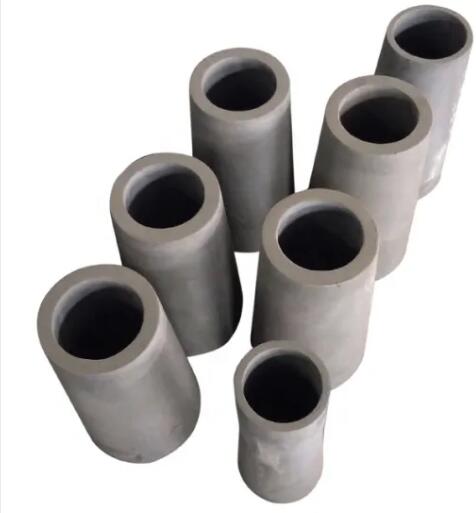
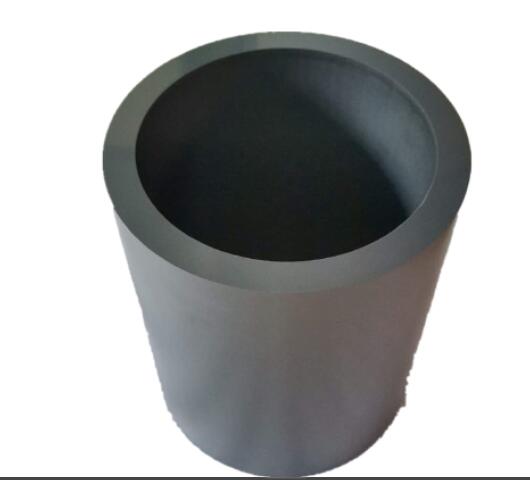
Silicon carbide cone pipe lining for pulverized coal powder conveying Property:
◊ Superior wear resistance, impact resistance and corrosion resistance
◊ Excellent flatness and temperature resistance up to 1380℃
◊ Excellent oxidation resistance
◊ Good dimensional control of complex shapes
◊ Easy installation
◊ Longer service life ( about 5 times more than that of alumina ceramic and 6 times more than that of polyurethane)
Inquiry
|
Application of Silicon Carbide in Coal Preparation Plants
Coal preparation plants represent a typical working environment characterized by high abrasion and strong corrosion. The media involved, such as coal slurry water and heavy medium suspensions, contain large amounts of coal fines, gangue particles, and chemicals. Therefore, the wear resistance of equipment directly determines the continuous operation capability, maintenance costs, and economic efficiency of the production line. Silicon Carbide, with its exceptional properties, plays a key role as a "wear-resistant guardian" in these settings.
Here are the main application areas of Silicon Carbide in coal preparation plants:
1. Key Pump Wet-End Components - The Most Typical Application
Coal plants extensively use various slurry pumps, such as feed pumps, underflow pumps, and circulation pumps. The wet-end parts of these pumps suffer from extreme wear.
-
Application Components: Cone liners, impellers, casings, mechanical seal rings.
-
Advantages:
-
Extended Service Life: The wear resistance of Silicon Carbide is 5 to 10 times greater or more than that of high-chrome iron. A set of SiC impellers and liners can last for thousands of hours, significantly reducing the frequency of downtime for replacements.
-
Corrosion Resistance: Coal slurry water can be acidic or alkaline and contains flotation reagents that corrode metals. Silicon Carbide completely resists this chemical erosion.
-
Maintained Efficiency: Due to its high hardness, SiC components barely deform during their service life, allowing the pump to maintain its hydraulic performance and operate efficiently over the long term, saving energy.
-
2. Dense Medium Cyclone Liners
Dense medium separation is a core cleaning process. Cyclones separate clean coal from gangue using centrifugal force, and their inner walls are subjected to severe erosion from high-concentration, high-velocity dense medium slurry.
-
Application Components: Liners for the cyclone cylinder, cone, underflow orifice, and overflow orifice.
-
Advantages:
-
Excellent Wear Resistance: Ensures the smoothness of the cyclone's inner wall, preventing changes in shape due to wear, thereby stabilizing separation accuracy and efficiency.
-
Smooth Surface: The ceramic surface of SiC is smooth, reducing the risk of material buildup and blockages.
-
3. Valve and Pipeline Components
Valves used to control coal slurry and dense medium slurry, such as throttle valves, control valves, and bottom valves, experience rapid wear of their plugs and seats.
-
Application Components: Valve plugs, seats, wear-resistant elbows, tees.
-
Advantages:
-
Good Sealing Performance: SiC components are manufactured with high precision and wear minimally, ensuring long-term valve sealing and reducing leakage.
-
Precise Control: Due to excellent shape retention, the correspondence between valve opening and the control curve remains more stable, facilitating automated control.
-
4. Mechanical Seals
Mechanical seals for pumps in coal preparation plants operate in harsh environments containing solid particles, where standard seals fail quickly.
-
Application Components: Stationary and rotary faces of mechanical seals.
-
Advantages:
-
Tolerance to Particulate Media: The high hardness of SiC makes it resistant to scratching from coal fines and gangue particles.
-
High Thermal Conductivity: Allows rapid dissipation of frictional heat, preventing damage to the seal faces from overheating.
-
Chemical Inertia: Resists corrosion from chemicals in the media.
-
Summary: The Core Value SiC Brings to Coal Preparation Plants
| Property | Benefit Brought |
|---|---|
| Superior Wear Resistance | Significantly reduces spare parts costs and replacement frequency. |
| Extended Service Life | Markedly reduces downtime, increases equipment availability, and boosts production. |
| Corrosion Resistance | Suitable for a wider range of operating conditions with lower lifecycle costs. |
| Efficiency Maintenance | Saves energy and stabilizes key production process indicators. |
| High Reliability | Reduces maintenance workload and safety risks, enhancing production continuity. |
Conclusion:
While the initial purchase cost of Silicon Carbide components is higher than that of traditional metallic materials in coal preparation plants, their exceptionally long service life and stable performance result in a much lower Total Cost of Ownership (TCO). SiC has become the preferred solution for modern, high-efficiency coal plants seeking to reduce costs and increase efficiency at key wear points. Particularly in areas where equipment reliability and continuous operation are critical, investing in Silicon Carbide components is a highly strategic choice.


